Table of Contents
If you’ve ever seen a freshly coated car roll past under bright sunlight, you kinda already get it why so many drivers are curious about ceramic coating. The paint seems deeper, water acts a little differently on the surface, and the whole vehicle feels like it’s carrying itself with a bit more polish. Magic Shield Ceramic Coating Before & After But what does that transformation actually look like up close— and what’s really going on beneath the surface, like for real?
This article goes over Magic Shield Ceramic Coating before and after results in a practical, pretty straight kind of way : what changes, why it changes, and what you can honestly expect once a coating is applied and then kept up properly. Whether you’re comparing ceramic coating results for the first time or trying to make sense of the hype around hydrophobic car coating, this guide aims to break it down without the usual sales talk.
Why Ceramic Coating Before & After Comparisons Matter
Ceramic coating is one of those things that’s kinda difficult to explain with just words. The difference is visual and tactile, not just “marketing language.” That’s why before-and-after comparisons became the default way to understand what a coating does. A side-by-side shows details a spec sheet can’t really capture: how light reflects off the paint, how tightly water beads on the hood, and how much cleaner the surface looks after what is basically a simple rinse.
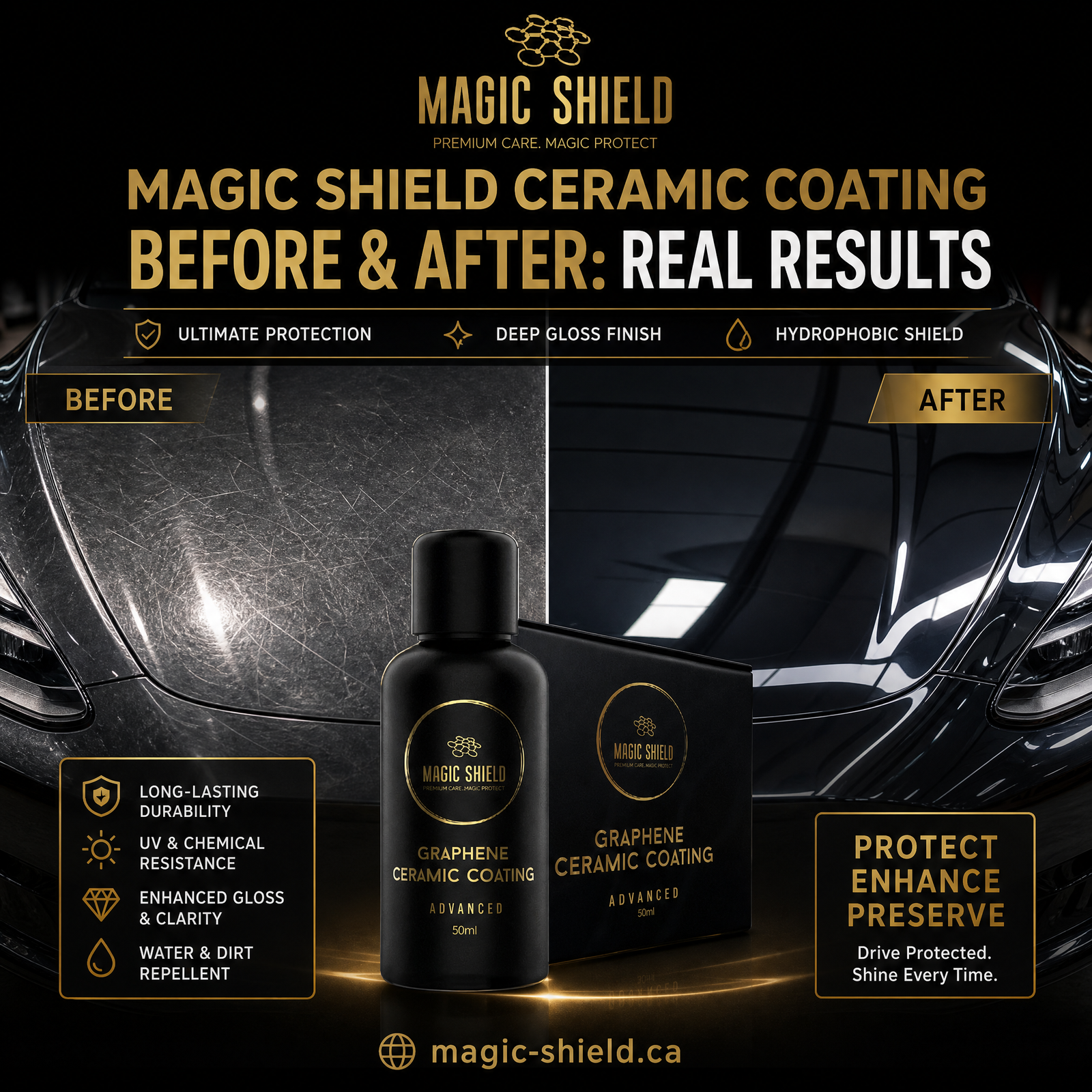
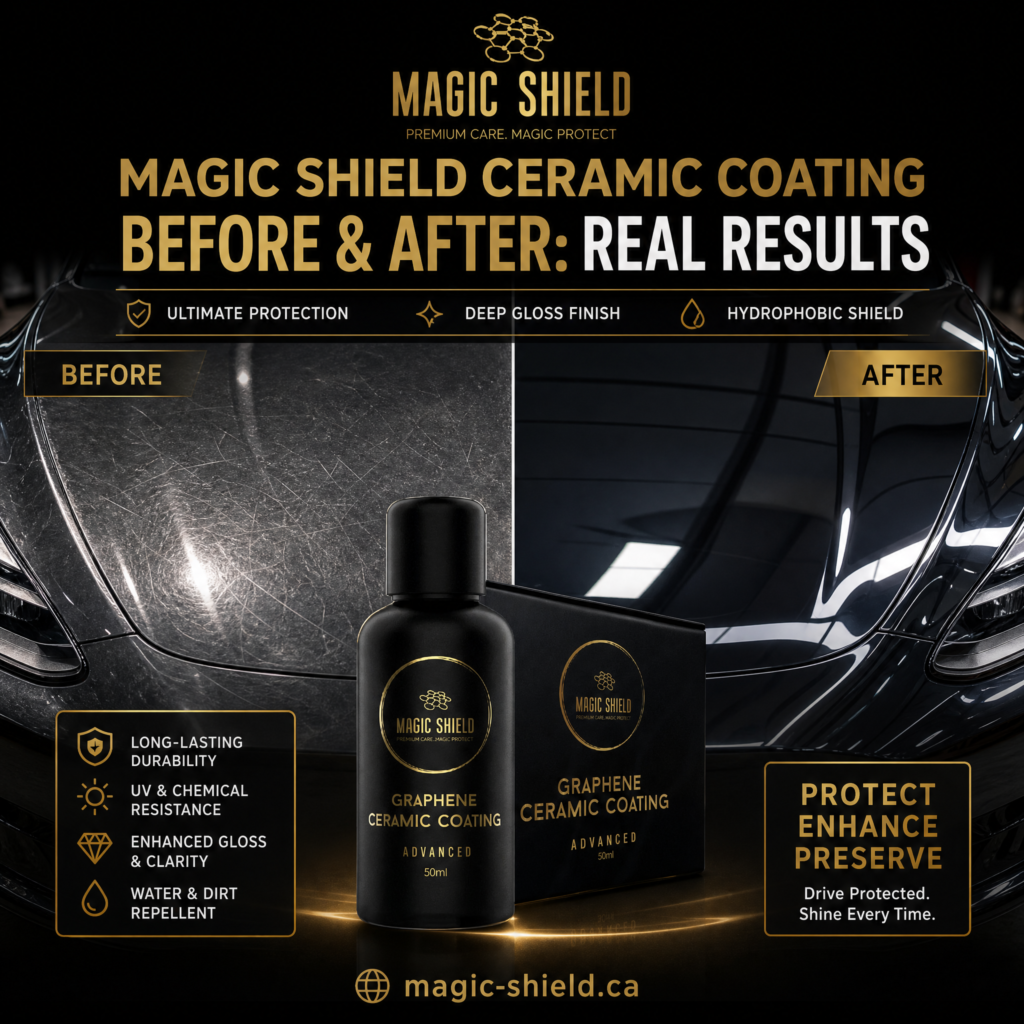
At Magic Shield, this kind of visual comparison is a big part of how the brand talks about its products. On magic-shield.ca , you can find actual before-and-after imagery focused on paint finish, water behavior, and overall surface revival, which are the same categories we’ll cover next.
The Core Elements of a Ceramic Coating Transformation
Paint gloss and that shiny vibe
The most obvious change in any Ceramic Coating Before & After transformation is gloss, kinda. Before coating, paint can look dull, hazy, or just uneven, especially on a car that’s been driven, washed, and repeated for a while without any added protection. After a proper wash, prep, and coating process, the same paint often gets a deeper, more reflective quality — sometimes people call it a “wet look” finish, even though it’s not exactly wet.
And yeah, this isn’t about swapping the paint color on purpose. It’s more about making the surface feel more even and smoother so light can bounce off it in a clean way, so you get that mirror-like clarity people usually associate with a freshly detailed car.
Surface protection, the real armor
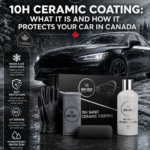
A ceramic coating basically forms a protective skin on top of the paint, acting like a barrier between the clear coat and everything out there. Before coating, the paint is pretty much exposed to the road, sun, grime, rain, and weather… whatever shows up. After coating, the same paint now has an extra layer that’s meant to help it resist everyday wear.
That protection layer is a big reason ceramic coating got popular, drivers like the idea of keeping their vehicle’s finish consistent over the long term , not just doing a quick cosmetic refresh for a weekend.
Water repellency and the hydrophobic effect
This part is often the most satisfying in the before-and-after comparison. Before coating, water tends to spread across a hood or roof in kind of flat sheets, then as it dries it can leave streaks, or blotchy spots. After coating, water acts way differently — it beads up tightly, rolls away fast, and usually takes a surprising amount of loose dirt and grime with it.
This is the hydrophobic “car coating” effect, and it’s not only a visual trick. When water beads hard and moves off quickly, there’s less water hanging around on the paint, less chance for mineral spotting … and generally less hassle later.
Easier Vehicle Maintenance
One of the more practical, less flashy benefits shows up over time not in some one photo kind of moment, coated paint usually stays easier to keep tidy. The surface is smoother, more water-repelling , so dirt, dust, and road grime tend to have a harder time clinging in the first place.
So, rinses can feel faster , contaminants slide off with less effort, and the whole upkeep routine becomes more straightforward.Ceramic Coating Before & After range basically follows that logic, with wash, prep, coating, and a maintenance-spray flow meant to match each other, so keeping a coated car looking sharp doesn’t turn into a complicated, too-many-steps kind of project.
Protection Against Environmental Contaminants
Vehicles end up dealing with a big list of outdoor pressure points—UV light, acid rain, tree sap, bird droppings, industrial fallout, and just general weather wear. Before any coating, these things sit right on the bare paint , where they can be tougher to remove later, and they’re more likely to start affecting the finish as months roll by.
A Ceramic Coating Before & After is made to help set up a kind of shield against that daily exposure. Magic Shield’s ceramic coating products are built with Canadian driving conditions in mind, which means they factor in winter road salt and slush, spring brake dust plus fallout, and then summer UV and rain. Basically, a pretty intense , all-year blend of environmental problems.
The Overall Visual Transformation
When you put all of these pieces side-by-side—gloss, protection, water beading, easier maintenance, and resistance to grime and fallout—you start to see what a ceramic coating transformation actually looks like. Ceramic Coating Before & After It’s not a single dramatic change, but a mix of small improvements that add up to a vehicle that looks noticeably more polished , and more cared for than before.
This is why Magic Shield ceramic coating before and after comparisons tend to focus on more than just shine. The real transformation is about how the paint looks, how it behaves in the rain, and how much easier it becomes to maintain that appearance going forward.
Before-and-After: A Side-by-Side Look
To make the comparison clearer, here’s a general breakdown of what tends to differ between uncoated and coated paint:
| Category | Before Coating | After Coating |
|---|---|---|
| Paint Finish | Can appear dull, hazy, or inconsistent | Deeper reflection, wet-look gloss |
| Water Behavior | Water spreads and sheets across the surface | Water beads tightly and rolls off |
| Cleaning Effort | Dirt and grime cling more stubbornly | Surface releases grime more easily |
| Environmental Exposure | Paint directly exposed to UV, sap, fallout, etc. | Added protective layer helps shield the surface |
| Maintenance Routine | Requires more frequent, intensive washing | Simpler wash-and-maintain routine |
You can see real examples of these before-and-after categories — paint finish, water behavior, and surface revival — illustrated on the Magic Shield homepage at magic-shield.ca.
Getting the most out of a ceramic coating
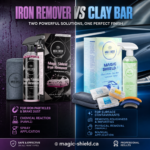
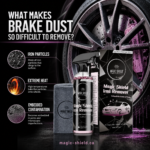
The change described above really depends on process, and honestly it’s kind of easy to rush it and then wonder why results feel weaker. A ceramic coating tends to work best when the paint is washed and decontaminated first, because you’re basically removing embedded dirt, iron particles, Ceramic Coating Before & After and lingering residue before the product ever touches the surface. If you skip the prep stuff like clay barring or iron removal, the coating may still go on but it can struggle to bond as well, and the final finish might not look as crisp or slick as you hoped.
After it’s applied, ongoing care matters just as much. Use a pH-balanced shampoo, dry with clean microfiber towels (not whatever is lying around), and try to avoid automatic brush washes. These small habits help keep that gloss and hydrophobic beading around, the same “before and after” effect people talk about. Also, a maintenance spray can be a solid helper to refresh water beading and shine between full coating applications, rather than waiting until everything looks dull again.
FAQs:
How long does that transformation really last?
It kind of depends, because durability changes based on the exact coating product , plus how the paint was prepped, the way it was applied , and honestly how the vehicle is driven and treated afterward. Regular washing helps a lot, and using a maintenance spray can help keep that ongoing gloss and hydrophobic feel.
Can I apply a ceramic coating myself, or do I need a pro?
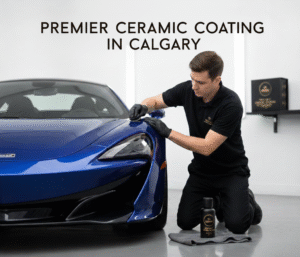
A lot of ceramic coating products are being made for both beginners and detailing enthusiasts now. If you do it yourself, working in small sections on a clean, cool surface , using clean microfiber towels , usually gives the best results. It’s more “methodical” than “rushed”, so that portion matters.
Does ceramic coating change the paint color?
No. The ceramic coating sits over the existing paint and clear coat, not inside it. Any kind of perceived shift in depth and richness comes from the smoother, more reflective surface, not from changing the paint’s actual pigment.
Also Read:
Ceramic Coating Prep Spray for Cars | Magic Shield
Clay Bar for Vehicles | Smooth, Clean & Contaminant-Free Paint