What Is Ceramic Coating, Exactly?
Ceramic coating is a liquid polymer generally composed of silica (SiO2) or silicon carbide, applied by hand over the exterior of your vehicle. It cuts into the factory clear coat and binds semi-permanently when cured like a hard, glass-like layer on-top of paint.
Rather than laying on top of the paint like a wax or producing temporal layers on the surface, Ceramic Coating Vancouver where eventually even your spray-on sealant will wash away, ceramic coating creates a chemical bond. It is that bond which makes it last as long as it does, compared to older paint protection solutions, and why you do not even need to use traditional wax anymore for many searching for ceramic coating for cars Vancouver.
Some of the more common types available on the market:
Nano ceramic coating — is designed to fill microscopic imperfections within the clear coat, forming an extremely smooth and slick surface using nanotechnology.
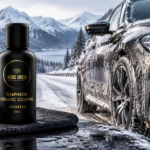
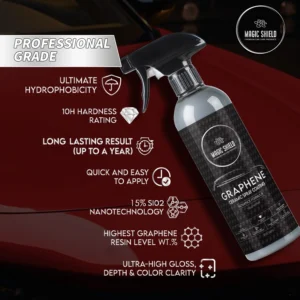
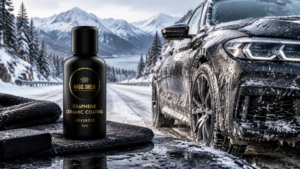
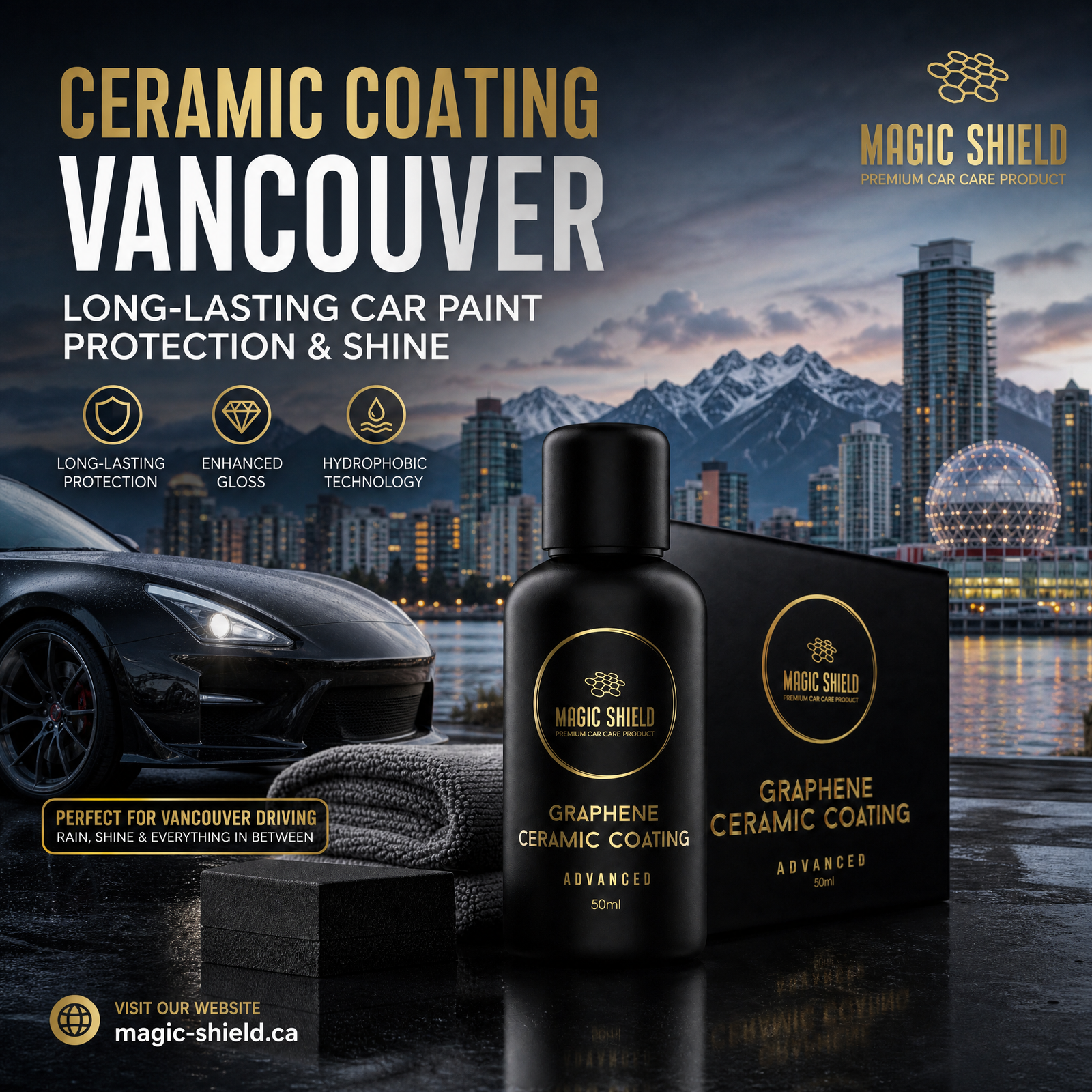
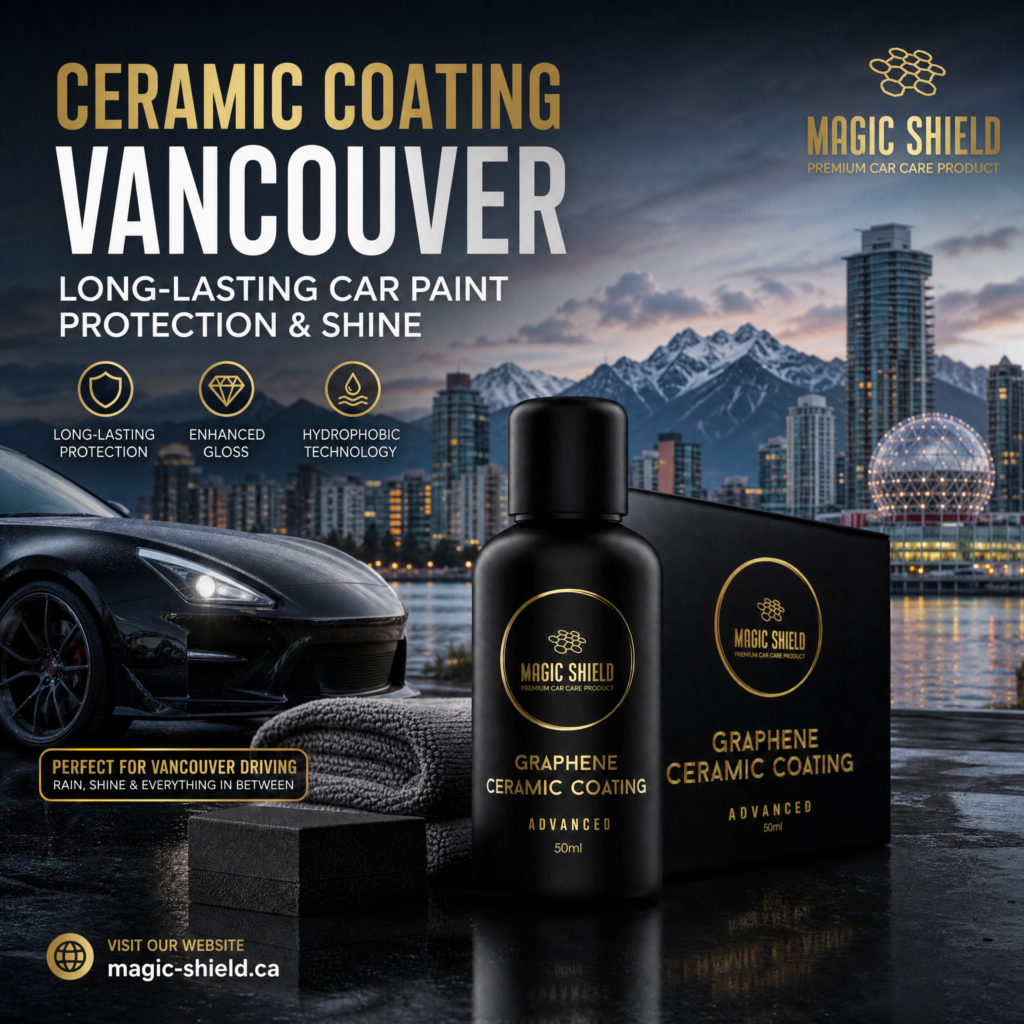
Graphene ceramic coating builds on the same silica base but adds graphene, which increases heat resistance, flexibility, and resists dirt and water spotting better than standard formulas.
Multi-layer ceramic systems combine a primer, a primary coating layer, and sometimes-topcoat for additional gloss and protection.
At Magic Shield, we work with both nano and graphene-infused formulas depending on the vehicle, the client’s driving habits, and how long they want the protection to last. You can see how our layered application process works in more detail on the Magic Shield ceramic coating packages page.
How Does Ceramic Coating Actually Work?
On a molecular level, ceramic coating cross-links with itself and the clear coat to create a solid transparent armor. Once cured, this layer:
Utilizes the mineral glaze that fills microscopic pores and swirl marks in the clear coat
Ends up with a surface that is repellent to water which will bead and roll off.
Creates a sacrificial barrier between your paint and outside forces
Does not allow UV light to degrade the clear coat, rather it reflects it
Curing time matters here. Various types of professional-grade coatings take between 24 and 72 hours to cure completely, but can require up to two weeks to fully cure (which means the coating has reached maximum hardness). Hence a good installer will always tell you not to wash the car or drive in heavy rain for the first 2-3 days after application.
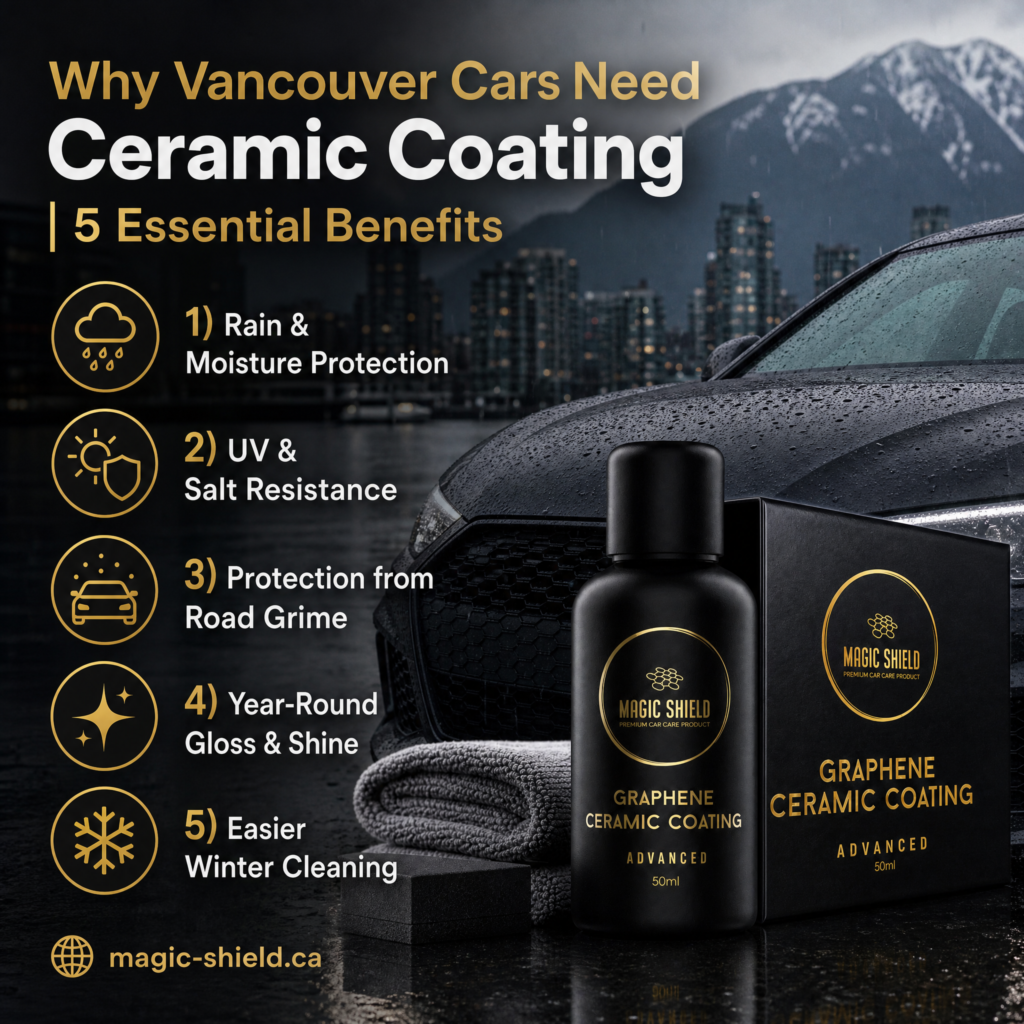
Content: Top 7 Reasons Ceramic Coating in Vancouver Needs to be on the Radar of Drivers
The climate here in Vancouver is actually incredibly hard on car paint, even if it doesn’t quite feel that way on a day to day basis.
Rain and Moisture
We get a lot of rain — there’s no way around saying it. Constant moisture exposure means your paint is dealing with water spotting, mineral deposits, and the slow breakdown of any wax layer far more often than a car in a drier climate. A hydrophobic car coating helps because water simply doesn’t sit on the surface long enough to leave marks; it beads up and slides off, taking loose dirt with it.
Road Grime and Grit
From wet, rainy roads and ferry terminal traffic to pivotal grit layers spread during icy winter days, the vehicles around Vancouver pick up a layer of grime quickly. Contaminants resting on an unprotected paint for extended periods can etch into the clear coat over time. That cosmetic layer causes that grime to sit on top of the coating it will never actually bond with the paint itself making regular washroom much more practical.
UV Exposure in Summer
Of course one forgets that in Vancouver, we have so much rain the summers bring long daylight hours and because you are on a coast line strong UV exposure from sunlight bouncing off water. One of the most common reasons paint will oxidise and fade over time is something called UV rays. Ceramic Coating adds a layer that is resistant to UV rays, and it slows this fading process down — especially on darker colors which tend to show oxidation the worst.
Constantly Changing Weather
Vancouver doesn’t just get rain or does only hurt it gets both and some days in one day. That kind of stress, constant expansion and contraction from changes in temperature and humidity is just the sort of stuff that breaks down wax quickly. Unlike only sitting on the surface, a cured ceramic coating deals with those fluctuations far better because it is chemically bonded.
Ceramic Coating vs. Wax and Sealants: What’s the Real Difference?
This is one of the most common questions we get, so let’s break it down plainly.
| Wax | Paint Sealant | Ceramic Coating | |
|---|---|---|---|
| Bond type | Sits on surface | Sits on surface | Chemically bonds to clear coat |
| Typical lifespan | Weeks to a couple months | A few months | 1–5+ years depending on product and maintenance |
| Water beading | Moderate | Good | Excellent |
| UV protection | Minimal | Some | Strong |
| Gloss enhancement | Warm, soft look | Slightly deeper gloss | High, glass-like gloss |
| Maintenance | Reapply often | Reapply every few months | Occasional maintenance wash/top-up |
Wax gives you a nice look for a short time, but it breaks down fast — especially in a wet climate like ours. Sealants last a bit longer but still wear off within months. Ceramic coating is a genuine step up because it’s not just sitting on the paint; it’s bonded to it, which is why it holds up so much longer and resists Vancouver’s weather so much better.
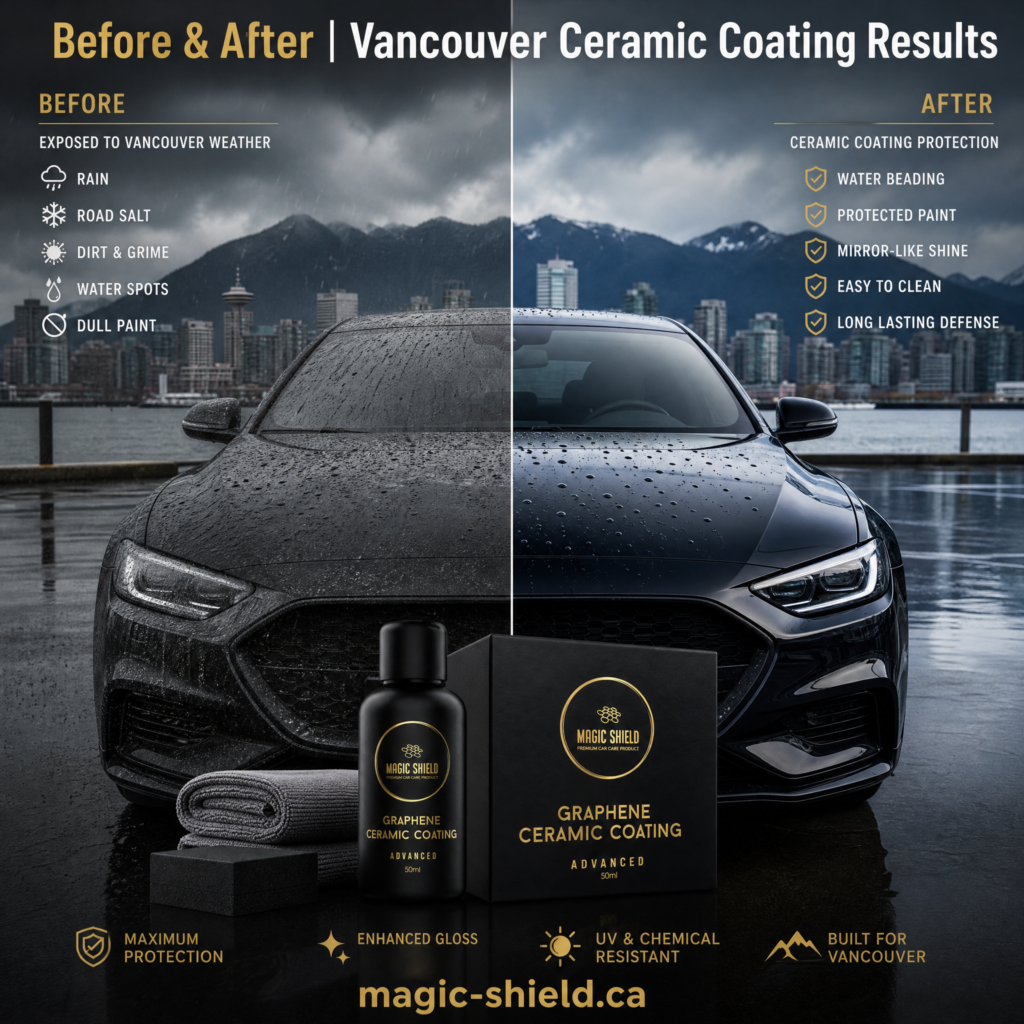
Key Benefits of Ceramic Coating
Long-Lasting Car Protection
Depending on the product and prep work, a professionally applied ceramic coating can last anywhere from one to five years or more. That’s a massive difference compared to monthly wax applications.
Water Repellency and Beading
This is the effect that people generally recognize immediately. Water droplets bead and roll away from the hood easily, taking dust and some dirt particles with them. The risk of water spot formation decreases greatly as well.
UV and Oxidation Protection
The ceramic coating will protect the clear coat from damage by ultraviolet radiation, reducing the rate at which the paint fades and chalks.
Gloss and Reflection Improvement
As the coating covers the surface defects, it will produce the smooth and reflective surface that looks “wetter” than waxed surfaces according to owners.
Cleaning
As the dirt doesn’t penetrate the coating layer, washing becomes easier and less harsh for the paint.
Chemical Resistance
Paint protected by ceramic coating will be more resistant to bird droppings, tree sap, insect splatter, and other chemicals encountered by Vancouver drivers regularly, especially those who drive in green areas like Stanley Park or the North Shore.
Who Needs To Think About Getting A Ceramic Coat In Vancouver?
A ceramic coat is not just for those owning exotic or brand new cars. The procedure may be beneficial for a great variety of people, such as:
Those who got a new car and want to preserve its factory finish right away
Daily drivers having to deal with rain, road debris, and dust
Leased car owners who want to preserve good condition of the paint for lease return
Those who have no covered or garaged parking
Those who live on the coast and thus have salty air
Those who pay much attention to detailing and want to have their car look nice without constant work
Those who are tired of putting a wax coat every now and then
If you have a car standing outdoors all winter long and during hot summer days in Vancouver, getting a ceramic coat is one of the options for you.
Ceramic Coating and Overall Car Detailing in Vancouver
Ceramic coating works best as part of a broader car care approach rather than a standalone fix. Proper paint correction before application — removing existing swirl marks, light scratches, and oxidation — makes a significant difference in how the final coating looks and performs. This is why professional car detailing Vancouver services typically start with a multi-stage paint prep process before any coating goes on.
Skipping this step and applying coating over unprepped paint just locks in existing imperfections under a glossy layer, which isn’t what anyone wants after paying for premium protection. If you’re exploring options, our paint correction and detailing services page outlines how we prep a vehicle before coating.
FAQs:
How long does ceramic coating last in Vancouver’s weather?
Depending on the particular product and maintenance of your vehicle, the life expectancy of ceramic coating ranges from 1 to 5 years. Rain and humidity in Vancouver’s weather do not reduce this period of time if the coating is applied correctly — regular washes only help with that.
Is ceramic coating a good choice for those who park outdoors?
In fact, it is one of the biggest motivations to consider coating. If there is no opportunity for you to keep your vehicle indoors, its paint will be exposed to sun and rain constantly, so the paint needs an additional protective layer.
Will ceramic coating protect my vehicle from scratches and rock chips?
This kind of coating will not reduce the possibility to wash the car at all; however, to preserve the hydrophobic properties of the coating for longer, it is recommended to wash the vehicle using pH-neutral soap and two-bucket method.
What is the difference between ceramic coating and car wrap?
Ceramic coating protects and improves the quality of your paint while car wrap is a vinyl film that is put over the paint of the vehicle. This kind of wrap is used not only to provide additional protection but also to change the color of the vehicle or give it another type of finish. In some cases, vehicles get coated after being wrapped.
Does ceramic coating make cleaning my vehicle easier?
Yes, that is one of the main practical effects of this procedure. As the coating doesn’t allow dirt and grime to stick to the surface, it becomes much easier to remove them by simple washing and rinsing.
Is DIY ceramic coating a good choice?
Yes, consumer ceramic coating products are available for those who want to apply the coating themselves, but their effectiveness is lower than that of professionally applied coating.