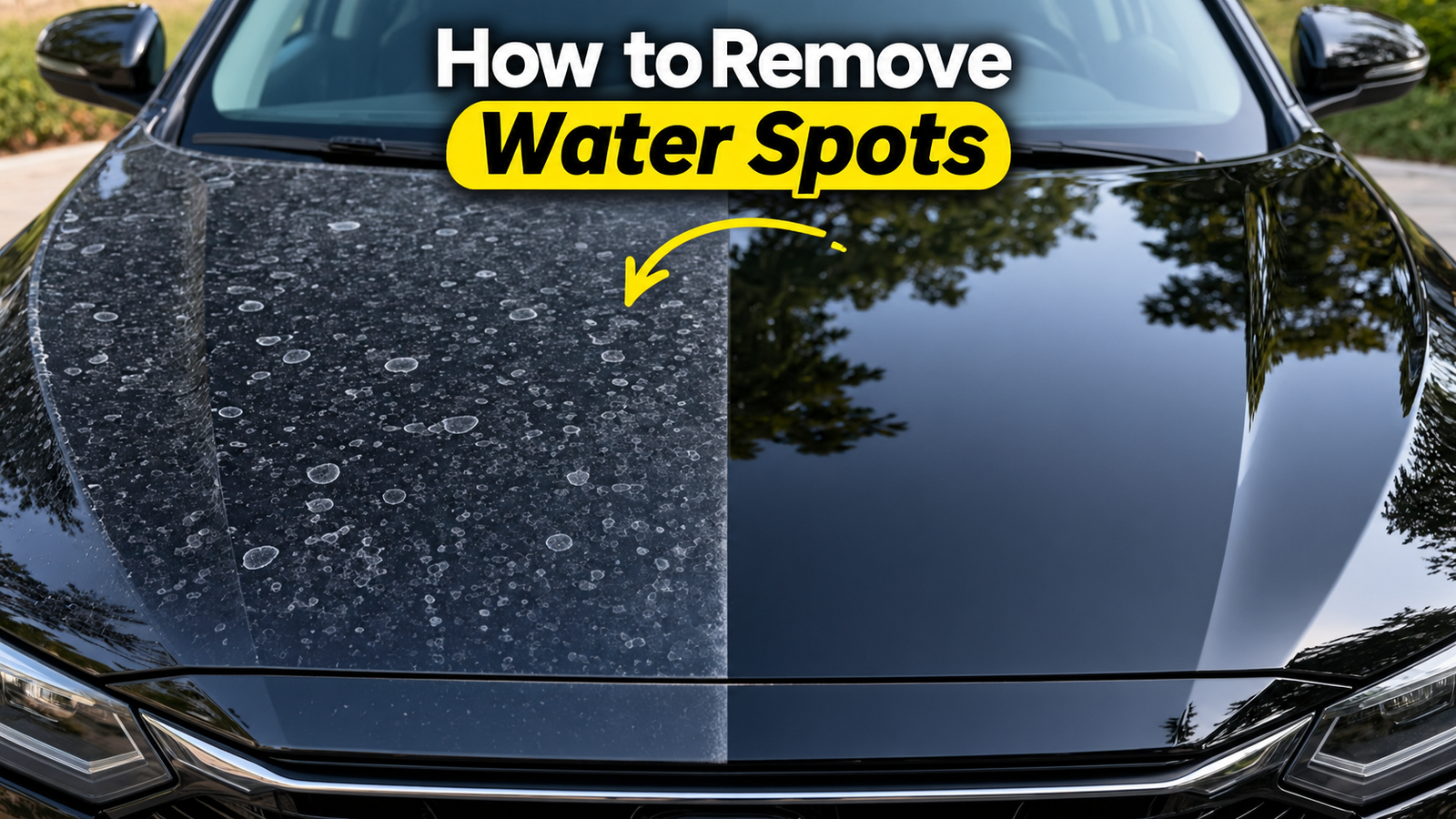
Having a car covered in spots immediately after a wash isn’t ideal, and especially after exposure to the sun when cloudy and white, hard mineral deposits can be visible on top of your clear coat. You can get these in Canada after a wash, during the warmer months after some rain, or even by letting water sit.
Many hard water spots are easily removed, but it is important to understand which are mineral deposits and which have etched through the clear coat and require special attention.
The purpose of this guide is to teach you the proper steps to eliminate hard water spots on a vehicle, to understand which spots are harder to remove than others, how to avoid common mistakes while washing, and, finally, how to protect your vehicle’s clear coat from water spots in the future.
How Do You Get Rid of Water Spots on a Car?
Use a mild car wash shampoo, then pat the area dry using a microfiber cloth. Observe the results. Use a paint-safe water spot remover if mineral deposits persist, following the product instructions. Etched paint from water spots requires the help of a professional detailer or a person with significant experience using an auto detailing polish.
Stay away from household detergents, get rid of water spots on a car rough scrubbing pads, and abrasive materials, as these products can destroy the finish of your vehicle.
What Causes Water Spots on Car Paint?
Water spots are the deposits left behind after water droplets dry up. The type and extent of the markings depend on several factors, get rid of water spots on a car such as the source of water, the surface of the car, and the time the residue has stayed behind.
The following are the most common causes.
1. Hard Water
Hard water is defined as water that has dissolved minerals, including calcium and magnesium. When the droplets dry on the car, there will be white spots or cloudy rings remaining due to these minerals.
This can happen if you wash your car with hard water or with a hosepipe, or let sprinkler water fall on your painted surfaces.
2. Rainwater and Environmental Residue
Before it reaches the surface of the car, rainwater can gather dust, airborne particles, and contaminants. When it dries, it may leave some of the collected substances behind. Rain does not always cause noticeable streaking of the surface, but if the water is polluted and exposed for too long, marks can become more apparent.
3. Washing Your Car in Direct Sunlight
Washing a vehicle in direct sunlight can cause the water to evaporate more quickly than usual. Because of this, you may not have enough time to rinse off the surface completely, leading to increased chances of getting spots.
4. Water Spots That Have Been Left Too Long
Generally speaking, recent mineral deposits are easier to remove than those that have been on the varnish for an extended period. However, when the minerals begin to affect the clear coat, stains may remain, even after cleaning, which are known as water stains.
How to Remove Water Spots from a Car: Step-by-Step
Choose the least aggressive treatment before proceeding with the one you plan. This will enable you to avoid unnecessary buffing and get rid of water spots on a car which could harm the clear coat.
Step 1: Move Your Car Into the Shade
Park your car in the shade, and leave the paint to cool down. This is important because if the cleaning process is performed when the paint is hot, cleaning products will evaporate too quickly, leaving behind residues. You should ensure that the car is not placed in sunlight during the whole cleaning.
Step 2: Wash the Affected Area
Rinse off the car to remove dirt and debris. Use pH-balanced shampoo to wash the damaged panels with a clean washing mitt. A good car wash is essential to eliminate dirt particles on the surface of the car to avoid scratches when you dry it off. As a recommendation for regular maintenance, you may use Magic Shield Graphene Shampoo, which belongs to Magic Shield Canada products designed for washing and caring for the car exterior. Make sure that you rinse the car carefully before proceeding to the next steps.
Step 3: Dry the Paint Properly
A soft microfiber drying cloth should be utilized to get rid of the leftover water. This should be accomplished by either patting it or swiping it across the surface without putting any undue pressure. Carefully check to see if the paint is in good light! If it appears clean after washing, it was likely only a surface contaminant. If the marks remain, it is possible they might contain lime deposits that need treatment.
Step 4: Treat Remaining Mineral Deposits
If the stains did not leave after washing, then it is important to apply a proper water spot remover that is compatible with your paint and coating. Strictly follow the manufacturer’s instructions; remember to test it on an inconspicuous part of the surface before applying it to the whole vehicle! Do not use the chemical product if it requires leaving the product to dry on the paint, or else the chemical might be destructive.
Step 5: Check Whether the Spots Are Etched
Onceyou’ve cleaned the surface, check the panel from various angles under natural lighting or detailing lights. If the white spots have vanished, it’s likely that further action is not needed. If cloudy spots or dull marks remain, deposits might have been etched into the clear coat. Some cleaning chemicals may not be effective in fixing this. A good automotive polish could be able to remedy light superficial defects, but more serious etching may need professional help. It’simportantto avoid excess rubbing of the same spot or applying abrasives without knowing the state of the paint.
Step 6: Protect the Clean Paint
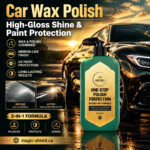
After the surface is washed and any repairs have been done, the next question is whether or not you should use the proper paint protectant on the surface.
Paint protection will make washing the surface easier and will help prevent dirt from sticking to the surface. However, it will not stop water spots from forming, so washing and drying still have to be done regularly.
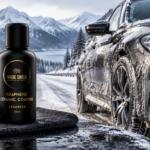
For long-term protection, you can try Magic Shield Graphene Ceramic Coating. This product is made using a formula that consists of graphene and SiO₂, which help improve glossiness and slickness as well as help make it more water-resistant to environmental factors.
This product will make the upcoming washing easier as it adds an extra layer of protection against water spots and dirt.
Bear in mind that these products are used for preventative care of the finishing paint, not for fixing any existing etched water spots. So, if you decide to use such products to get rid of water spots on a car, please make sure to follow the instructions on preparation as well as application.
For more car care tips and product options for U.S. drivers, visit Magic Auto Care.
How to Remove Hard Water Spots from Car Paint
Hard water stains can be quite challenging as they consist of mineral deposits that regular car wash shampoo might not be able to completely eliminate.
The correct method will depend on the duration of staining.
For fresh hard water spots:
Ensure you clean the vehicle before deposits take place.
Make use of a specific type of stain-removing water solution as needed.
Adhere to the instructions of the product while preventing it from drying on the surface.
For older or stubborn spots:
Verify if the stains persist after cleaning the surface.
Do not rub or apply household scouring agents.
Choose the right car cleaning product according to the extent of the dirt.
Consult a professional detailer if the stains seem to be cut into the paint.
Avoid using vinegar, strong acids, abrasive powders, or other household solutions without being sure they are safe for your paint.
Can Water Spots Damage Your Car’s Paint?
Certain water stains could pose a threat to the look of auto paint, get rid of water spots on a car especially if mineral content remains on the surface for long and/or it is exposed to high temperatures.
New deposits build up on the paint and can usually be easily cleaned, while persistent stains could leave residues behind and, with prolonged exposure, may weaken the clearcoat and cause corrosion.
The most important distinction is whether the stain is on top of paint or whether it has had an effect on the paint itself.
If a stain persists even after proper cleaning, refrain from thinking that tougher chemicals or more vigorous scrubbing will resolve the issue. Usually, it is better to start with less aggressive cleaning techniques.
How to Prevent Water Spots on Your Car
While removing watermarks is a good idea, it is advisable to avoid their occurrence in the first place to save effort and time.
Wash Your Car in Shade
Whenever possible, it is advisable to wash the car in a shaded place because this prevents the drying of water and shampoo from drying too soon on the surface.
Do Not Let Water Dry on the Surface
After rinsing, wipe the car with a clean microfiber towel. Make sure to carefully dry the areas such as mirrors, door handles, windows, and places where the water can accumulate and then drip on the freshly cleaned surfaces.
Use Clean Rinse Water
If the water from the tap contains a lot of minerals, consider filtering the washing water whenever possible to minimize mineral traces left during washing.
Maintain Your Paint Protection
The protective spray or ceramic coating can make dirt and water easier to work with. However, this does not mean that your car will not get watermarks.
Clean New Spots Early
You don’t have to wait until the small stain has become a bigger problem. Check your car after our wash, a downpour, or accidental sprinkler spray and clean any new spots using proper techniques.
Why Canadian Car Owners Should Pay Attention to Water Spots
Throughout the year, Canadian automobiles experience different weather patterns that can cause water spotting. Rainfall, summer heat, being parked outside, and frequent washing can all lead to water spotting.
In the warm months, water droplets tend to dry quickly on exposed paint, get rid of water spots on a car while the colder months create a build-up of road grime and other contaminants, making caring for your vehicle equally important.
Having a car-care routine can help keep a car’s finish looking good all year. This includes washing the dirt away before it can settle, drying the car after rinse-off, and using the right method of protection to make maintenance easier.
Magic Shield Canada supplies products that allow people to wash, prepare, protect, and maintain their car’s paintwork. Therefore, customers can have a routine designed around their car’s needs.
Check out Magic Shield Canada’s range of car-care products for your car detailing
FAQ’s
1. What is the best way to get rid of water spots on a car?
To begin with, wash your car using a car shampoo that is neutral in pH level, and dry it with a clean microfiber towel. If the mineral deposits remain, a specific product meant for removing water stains will have to be applied. Etched marks may require polishing or correction by professionals.
2. Can hard water spots be removed from car paint?
Yes, many hard-water stains can be wiped off as long as they are only surface deposits. Older stains might be more difficult to treat.
3. Does car shampoo remove water spots?
Although car shampoo is capable of getting rid of residues, it might not solve the issue of tough mineral deposits. If there are still stains left after washing, further treatment will be necessary.
4. Can I use vinegar to remove water spots from my car?
Household vinegar is acidic in nature, which makes its suitability depend on the surface that is treated.
5. Does ceramic coating prevent water spots?
Ceramic coatings can cause water to bead off and make maintenance easier, but they do not offer total protection from water spots. Mineral deposits can be left behind when water evaporates, even if the car has been cleaned and has a ceramic coating applied to it. It is still important to wash and dry your vehicle regularly.
6. Does Magic Shield Iron Remover remove water spots?
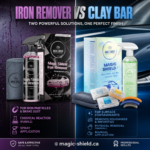
Magic Shield Iron Remover is designed to get rid of water spots on a car, brake dust, and other metallic impurities from the vehicle surfaces. However, it is not geared towards dealing with hard water mineral deposits.
7. Can polishing remove etched water spots?
If the condition and thickness of the clear coat permit it, polishing can lessen some minor etches. Nevertheless, deep etches may require professional correction. It is also important to proceed with caution during polishing, as this formulation causes the removal of a thin layer of the clear coat.
8. How can I stop water spots from coming back?
Wash your car in the shade, utilize clean rinse water, dry the surface immediately, and apply appropriate paint protection. Although following these practices may help to minimize spotting, no product can promise that water spots will not return.