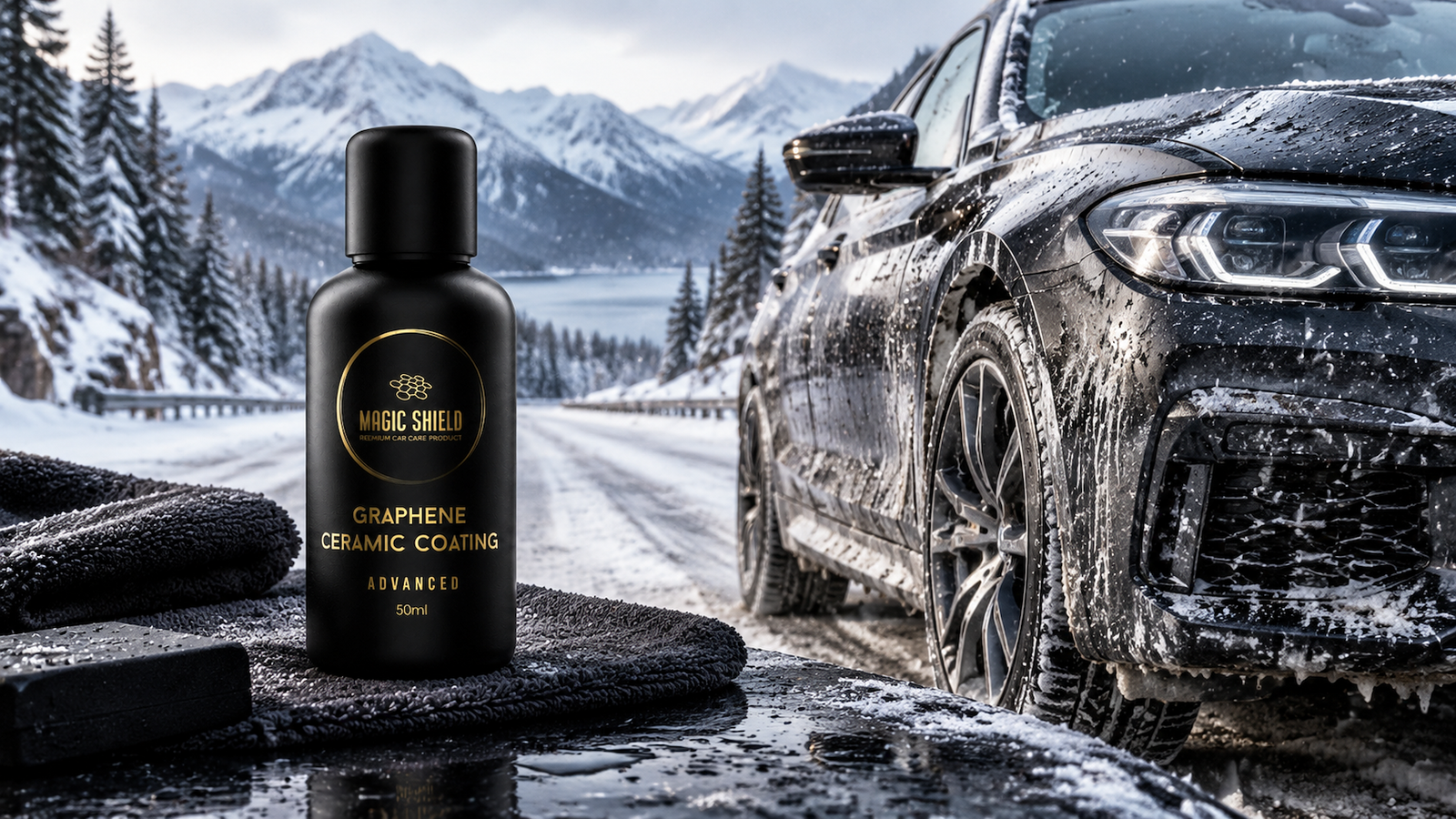
Canadian winter weather is how to protect your car paint from road salt in canada hard on a car. Snow piles up, temperatures drop fast, slush gets everywhere, and road salt can coat the outside of the vehicle. What you end up with is not just grime.
Road salt shows up a lot in winter. It helps tires grip the road and it melts ice. Even so, when salt and water keep hitting the paint day after day, the finish can wear down. That can lead to fading, corrosion, and rust starting near small chips and scratches. To understand how to protect your car paint from road salt in canada, regular maintenance is essential.
The good part is that you can protect your paint from damage without making it complicated. How to Protect Your Car Paint From Road Salt in Canada Wash your vehicle often, dry it fully, remove stuck grime or buildup, and follow a simple paint care routine. If you do that, your car can look better through the winter season.
Can Road Salt Damage Car Paint?
Yes, road salt can harm car paint and lead to rust if it sits on the car too long, and if there is also moisture.
A single trip does not usually wreck the paint. What matters more is doing this again and again. Salt, water, dirty road film, and other winter buildup keep coming back, making it crucial to know how to protect your car paint from road salt in canada.
Paint chips and scratches are a weak spot. Once those spots are exposed, salt and dampness can get underneath and work on the area where the protective layer is already damaged. This highlights the need for knowing how to protect your car paint from road salt in canada.
That is why you should keep up with winter cleaning. It matters most if you use salted or brined roads often, and if you drive there a lot.
Why Is Road Salt a Problem for Canadian Vehicles?
In Canada, winter is rough on cars, not just because of snow.
On many roads, you might see different treatments, like:
Rock salt
Salt brine
De-icing chemicals
Sand and other traction grit
When you drive through these areas, the mix can cling to the body. It can also combine with water, mud, and the usual road dirt.
Most of the damage risk is on the bottom of the vehicle. That means parts such as the rocker panels, the lower sections of the doors, the wheel arches, and the spots just behind the wheels.
When wet grime keeps coming back again and again, it can worsen what was already there. Chips, scratches, and bare paint spots can start to corrode faster.
Winter dirt can also carry metal bits. Brakehow to protect your car paint from road salt in canada dust and roadside conditions can leave these behind. This is not the same as normal grime. If the particles get trapped in the paint, you may need a special cleaner made to lift iron from the surface.
7 Ways to Protect Your Car Paint From Road Salt
Effective Strategies on How to Protect Your Car Paint From Road Salt in Canada
Wash Your Car Regularly During Winter
A simple way to help protect car paint from road salt is to wash the car often.
You do not have to wash it every single time it snows. Watchhow to protect your car paint from road salt in canada for how much salt, brine, and grime are on the outside.
If you have been driving on roads that get a lot of salt, cleaninghow to protect your car paint from road salt in canada the car when the weather lets you do it can help stop the buildup.
Focus on these spots:
Lower doors
Rocker panels
Wheel arches
Rear bumpers
Areas near and behind the wheels
The undercarriage
A clean car also makes it easier to look over the paint forhow to protect your car paint from road salt in canada chips, scratches, and other issues.
Rinse Road Salt Off as Soon as Practical
If you see road salt on your car, don’t leave it there longer than you have to.
First, rinse the whole area well. You want the loosehow to protect your car paint from road salt in canada salt and grime to come off right away.
After that, you can wash the car with a mitt. This matters becausehow to protect your car paint from road salt in canada touching salty buildup straight to the paint can cause trouble.
If you skip the rinse and start scrubbing right away, grit can get pushed around and scratch the surface.
So rinse first, then wash the vehicle in a proper way.
Use a Proper Car Shampoo
Clean your car’s paint using a cleaner how to protect your car paint from road salt in canadamade for cars, not for other surfaces.
Skip most home cleaners. They can be too harsh and may strip or weaken what you already have on the paint.
Use a good automotive shampoo for daily dirt. It lifts grime from thehow to protect your car paint from road salt in canada road and usually means you do not have to scrub as hard.
If you drive in winter and want to keep protection on the surface, you can use a graphene car shampoo. Add it to your usual wash steps.
Do not buy a product just because it mentions “graphene”. Read what the label says and follow the directions during the wash.
Remove Embedded Iron and Brake Dust
Not every speck on a car is just road grime.
Some metal dust and tiny iron bits can stick into thehow to protect your car paint from road salt in canada clear coat and paint.
After a while, those bits may show up as small rust-colored dots, often orange or brown. This can be easier to notice on light paint.
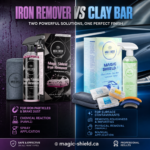
That is why many people use an iron remover for car paint.
This product is made to react with iron contamination. As it works, it helps break the bond so the debris can wash off with a rinse.
Still, an iron remover should not stand in for regularhow to protect your car paint from road salt in canada car shampoo. It is not a one-size-fits-all fix for every kind of road salt or dirt.
If you drive in Canada and see winter roads often, iron removahow to protect your car paint from road salt in canadal can fit into a larger routine for caring for your paint.
Apply Paint Protection Before Winter
Getting your car ready for winter can help with upkeep later.
If you are picking paint protection, you might choose:
Wax
Paint sealant
Ceramic coating
Graphene coating
A ceramic or graphene layer sits on top of the factoryhow to protect your car paint from road salt in canada paint. It can also help the car shed water faster, so some dirt may stick less. That can make washing simpler.
But no coating gives permission to ignore road salt. Salhow to protect your car paint from road salt in canadat can still harm the finish if you do nothing.
Even with protection, you still need routine washes and normal care.
If you want paint protection that lasts, putting on a goodhow to protect your car paint from road salt in canada coating during winter prep can be a solid part of your overall routine.
Don’t Ignore Paint Chips and Scratches
Those tiny paint chips can look like nothing. Still, it is smart tohow to protect your car paint from road salt in canada check them before winter hits.
A chip can open up the layer under the paint. Then water and grit fromhow to protect your car paint from road salt in canada the road can get in again and again. Over time, this can lead to corrosion.
Set aside a few minutes to look over your car in late fall and againhow to protect your car paint from road salt in canada once winter starts.
Check these spots closely.
- Front bumper
- Hood
- Front fenders
- Door edges
- Rocker panels
- Areas behind the wheels
If you spot fresh damage, deal with it. Do not just hide it under more dirt and salt.
Clean the Wheel Areas and Undercarriage
Keeping your car’s paint safe is more thanhow to protect your car paint from road salt in canada washing the big flat areas.
In winter, grime builds up near the wheels, in the wheel wells, along the lower panels, and on the undercarriage.
Those spots are hit every day by water, salt, loosehow to protect your car paint from road salt in canada mud, and bits of debris from the road.
When you wash the car, spend extra time on these zones. A rinse under the vehicle can help a lot, especially after long drives on roads that get heavy salt or treatment.
Because of this, a fast wash on the outside should nothow to protect your car paint from road salt in canada be treated as the full winter job.
How to Remove Road Salt From Your Car
Road salt can build up on your vehicle. Clean it with care. Avoid harsh scrubbing. Use a gentle method instead.
1) Start with a water rinse
Rinse the car with plain water first.
This helps lift loose salt, sand, and road grime before you scrub the paint.
2) Wash with the right soap
Use a car shampoo that is made for painted surfaces.
Grab a wash mitt, or another clean tool meant for car washing.
Do the upper parts first, then go down to the lower areas.
3) Pay attention to the lower parts
Spend more time on the lower doors and rocker panels.
Also hit the wheel wells and bumpers well.
Winter grit builds up more there than higher on the body.
4) Rinse as soon as you can
Do not leave soap and grime on the surface to dry.
Rinse the car well right after washing.
5) Dry it so it does not spot
Dry with a clean microfiber towel.
You can use a car drying approach that fits the towel and your setup.
Drying reduces water marks and makes it easier to see the paint.
6) Check again after you finish
After washing, look closely at the paint.
If you spot small metal specks or dirt that did not come off with a normal wash, consider an iron removal product.
Can You Wash Your Car in Winter in Canada?
Yes, you can clean your car in winter. In fact, routine washing helps with winter upkeep.
The weather is the key thing to watch.
If it gets very cold, water may freeze near door edges, locks, and rubber seals. When you can, pick a day and time that let the car dry well.
If you cannot wash outside, an indoor bay can work. A touchless wash is another option when the outdoor setup is not practical.
Once you finish, check the door gaps and the seals. Remove any extra water that could sit there and freeze.
The point is not to skip winter washing. The point is to do it in safer, more sensible conditions.
Ceramic vs. Graphene Coating for Winter Car Protection
Ceramic coatings and graphene coatings are used in vehicle paint care. People use them to help protect the paint finish.
| Protection | Main Benefit | Winter Consideration |
|---|
| Wax | Basic surface protection | Usually requires more frequent maintenance |
| Paint sealant | Adds a protective layer | Useful for routine protection |
| Ceramic coating | Durable protective and hydrophobic properties | Can make regular maintenance easier |
| Graphene coating | Protective and hydrophobic properties depending on formulation | Works best when combined with proper washing |
Keep one point in mind. No coating will make your car immune to road salt.
A coating is only one step in a bigger care plan. You still need to wash it often, remove built-up grime, check for issues, and dry it the right way.
How Often Should You Wash a Car During a Canadian Winter?
There is no one wash plan that fits every driver in Canada.
If you drive every day on roads treated with salt, your car needs more care than a car that only comes out now and then and is kept in a garage.
Wash your vehicle when you notice any of these signs:
- Salt shows up on the body or wheel areas
- You have been on treated roads for long stretches
- Dirt and grime collect low on the doors and panels
- The day and conditions make it easy to wash and dry the car
- You are about to start a more careful paint routine
The main point is to do it regularly.
Try not to wait until spring. If you can wash and dry it during winter, do it. This helps you deal with the dirt that builds up over the season.
Common Winter Mistakes That Can Damage Car Paint
Winter cleaning can cause trouble for paint upkeep. Sand, grit, and harsh chemicals can build up on surfaces during cold months. That buildup can stick to the paint and make it harder to keep the finish looking right.
Leaving Road Salt On The Vehicle Too Long
If salt sits too long, it bonds tighter to the surface. Then it takes more work to get it off.
Scrubbing Dry Salt And Dirt
Do not scrub hard when the paint is very dirty and dry. That can cause damage.
First, rinse the area. This helps lift loose grit before you touch it.
Using Regular Household Cleaners
Stick to cleaners made for car surfaces. Avoid random household products.
Skipping The Undercarriage
Don’t forget the underside and the wheel areas. They get heavy exposure to road salt in winter.
Assuming a Coating Means No Maintenance Is Needed
Ceramic and graphene coatings can reduce wear and may cut down how often you work on the surface. Still, they do not remove the need to wash.
Ignoring Paint Chips
Paint chips that seem small at first can grow into larger issues. When they sit in wet conditions and pick up dirt again and again, the damage spreads.
FAQ’s
Can road salt damage car paint?
Yes. When road salt mixes with water and winter dirt, it can wear down the paint over time. It also speeds up rust, mainly where the paint is already thin or broken, like at chips and scratches. Washing often and using the right paint protection can lessen the damage.
How do I protect my car paint from road salt?
Clean the car more often in salty weather. Try to rinse the salt off soon after you drive, before you do a full wash. Use a car shampoo made for paint. Also scrub the wheels and the lower parts of the body. Check for chips and fix them when you can. Then choose a paint protection product that fits your needs.
How do you remove road salt from a car?
First, rinse the whole vehicle well. Next, wash it with automotive shampoo and use safe washing steps. Focus on the lower panels and the wheel area. If you still see metal-like fallout after washing, use an iron remover product and follow the label directions.
Does ceramic coating protect against road salt?
A ceramic coating can add another layer of protection and make cleaning easier. Still, it does not make the paint fully immune to road salt. If you have a coated car, you should still wash it regularly during winter.
Does graphene coating help protect car paint in winter?
A good graphene coating can add some shielding and water-repelling effects. That may make winter washing less of a chore. Still, you need to keep washing your car and caring for it. It is not a replacement for regular cleaning.
Should I wash my car after driving on salted roads?
If you can see salt buildup or thick grime on the surface, wash the car when you are able. Taking off that residue helps the paint stay cleaner. It can also limit how long salt sits on the body.
Can road salt cause rust under a car?
Road salt mixed with moisture can speed up rust. This tends to happen when it reaches metal that is exposed or already damaged. That is why undercarriage cleaning matters. Fixing chipped paint also helps.
Is it safe to wash a car in freezing weather?
Washing in deep cold can be tough. Water can freeze near door edges, rubber seals, locks, and other spots. If you can, pick warmer hours. Or use an indoor wash option.
Does road salt damage clear coat?
Repeated salt exposure during winter can wear down the clear coat. Moisture and other dirt make it worse over time. Regular rinsing and proper paint protection can help keep the clear coat in better shape.